



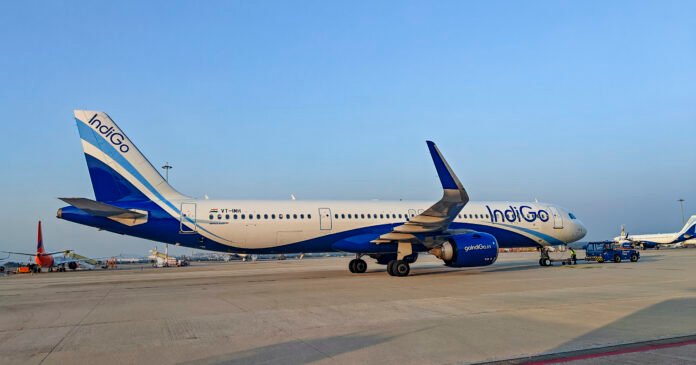
The Delhi High Court has recently declined to entertain a public interest litigation (PIL) demanding increased compensation for passengers affected by IndiGo’s flight cancellations. The request came amidst heightened scrutiny of the airline’s policies following recent operational changes. The Division Bench, led by Chief Justice Devendra Kumar Upadhyaya, reviewed the case on Wednesday before deciding against taking it forward.
The PIL sought directions for IndiGo and the Centre to pay four times the ticket price to passengers whose flights were canceled between November and December, coinciding with the implementation of new Flight Duty Time Limitation (FDTL) norms. The court clarified it had already recognized the broader issue in another pending PIL, thus giving the petitioner the option to intervene there.
“We do not see any reason as to why the concerns raised here cannot be taken up in the earlier petition. The jurisprudence developed by the Supreme Court and High Courts around PILs permits the court to expand the scope of a petition in public interest,” the Bench stated strongly.
According to Judge Upadhyaya’s remarks, the court dismissed the petition while enabling the petitioner to join ongoing discussions in the other matter. This decision marks a significant moment in the legal discourse concerning air travel rights in India.
The petition, filed by the Centre for Accountability and Systemic Change (CASC), was led by its president, Prof. Vikram Singh. He argued that the flight cancellations sparked widespread concern, concluding that passengers were significantly inconvenienced due to last-minute disruptions.
Advocate Virag Gupta, representing the petitioner, highlighted the chaos witnessed at airports, which included misplaced baggage, prolonged delays, insufficient communication from IndiGo, and an alarming level of confusion around refund policies. These concerns merit serious scrutiny, Gupta insisted, emphasizing the importance of addressing passenger rights.
Additionally, the PIL called for an independent inquiry by a retired judge or the Lokpal. This was aimed at identifying potential negligence and lapses by the Directorate General of Civil Aviation (DGCA) regarding the crisis’s management.
In a related context, the Delhi High Court’s previous decision on December 10 scrutinized the Central Government’s role, expressing concern over the failure to mitigate the issues arising from IndiGo’s mass cancellations. The court pointed out the need for timely intervention, which should have prevented the chaos that left thousands of passengers stranded while other airlines charged exorbitant fares.
“Why did the situation escalate to this extent?” the court had asked, pressing for explanations from government authorities. The critical handling of passenger grievances in such crises lies at the heart of the court’s inquiries.
IndiGo has faced relentless criticism from various quarters—government officials and passengers alike—since it started canceling numerous flights from December 2. The airline cited new regulatory changes impacting pilots’ duty time and rest requirements under the revised FDTL framework. These changes prompted accusations of mismanagement and inconsistency in service delivery.
By declining to entertain the PIL, the Delhi High Court highlights a significant aspect of judicial proceedings in India, signaling the necessity of addressing ongoing issues through established legal channels rather than initiating separate, overlapping litigations. This ruling may pave the way for resolving some of the broader structural issues within India’s aviation sector.