



The Supreme Court on Wednesday declined to urgently hear a plea against police action during a student protest organized by the Cockroach Janta Party (CJP) at Jantar Mantar. The protest focused on allegations surrounding the NEET-UG 2026 paper leak. This decision came after the petitioner’s lawyer requested immediate intervention from the court.
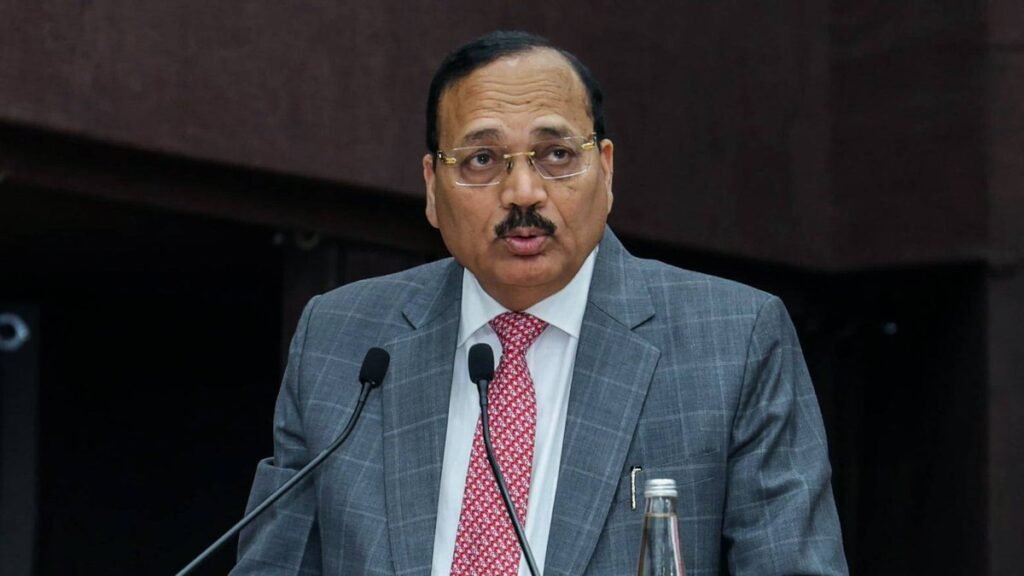
Chief Justice of India Surya Kant, leading the Bench, firmly rejected the plea for fast-tracking the case, stating, “Don’t waste our time, and don’t waste your time.” The candid remarks reflect the court’s growing impatience with what it views as unfounded urgency in litigation.
The lawyer representing the protesters argued that their grievances highlighted significant public issues. These issues included concerns about the NEET-UG 2026 examination leak, the broader conduct of examinations, and pending reforms within the National Testing Agency (NTA). The arguments presented were met with skepticism from the Bench.
When the counsel cited videos allegedly depicting police brutality against the chanting protesters, the Chief Justice responded brusquely, saying, “We are not interested in videos; we don’t have time to watch.” This remark accentuated the court’s focus on procedural matters rather than the content of the protests or the alleged police actions.
The court’s dismissal of the request for an urgent hearing also follows a similar decision from the Delhi High Court. Just a day prior, the High Court also chose not to expedite a plea related to the police’s response during the protests. This reinforces a pattern of courts remaining cautious in reacting to politically charged matters.
Protests led by the CJP have intensified recently, drawing attention to the alleged NEET-UG 2026 paper leak. The group demands the resignation of Union Education Minister Dharmendra Pradhan and is pushing for comprehensive reforms in the examination system. Reports indicate a clash between police and protesters during a march towards Parliament, with allegations surfacing regarding excessive force and numerous detentions.
This recent decision by the Supreme Court adds to a series of legal challenges faced by the students. The court’s refusal to grant urgency does not suggest a judgment on the allegations in the petitions. Instead, it signals the court’s prudence in prioritizing its caseload amid rising tensions surrounding educational reforms.